
Sandblasting treatment is a mechanical process through which the top layer of a material is removed using the abrasive action of a jet of compressed air and grit projected at high speed.
Sandblasting is mainly used for cleaning and preparing surfaces, allowing the elimination of oxides, rust, paints, calamine, encrustations, processing residues and pre-existing coatings.
The process finds application on various types of steel, cast iron, aluminum, metal alloys and plastic materials. Generally, irregularly shaped and angular abrasives are used , such as corundum and various types of grit, capable of providing effective removal. This treatment thus allows for a clean surface prepared for subsequent processes, such as painting, coating, gluing, or galvanic treatments.
Sandblasting also allows for a particularly significant surface roughness to be achieved when it is necessary to facilitate the anchoring of subsequent treatments. The final result depends mainly on the type and grain size of the abrasive , the pressure of the compressed air and the exposure time.
Removal of oxides and encrustations Uniform surface roughness Surface preparation Elimination of residues and contamination Lampugnani sandblasting machines are used in numerous industrial sectors, offering versatile solutions for cleaning, preparation, and surface finishing. In the food and pharmaceutical industries, sandblasting is used to treat stainless steel components and surfaces, primarily to create surface roughness, remove residue and contamination, or prepare the material for subsequent treatments and coatings. Sandblasting is used on engine components, turbine blades, drive shafts, and structural parts to clean and remove oxidation, residue, and contamination. The treatment also smoothes the surface for subsequent processing. In the medical and biomedical sectors, sandblasting with abrasive products is used on prosthetics, implants, and titanium or stainless steel components. It allows for different levels of surface roughness, adapting the finish to the subsequent treatment or the desired final result. Sandblasting is used in carpentry to remove rust, scale, oxidation, and residue from metal surfaces. It also prepares steel, stainless steel, and other metals for subsequent machining, painting, or coating. From door handles to furniture components and metal architectural panels, sandblasting allows for a variety of surface effects. The choice of abrasive allows for uniform, textured finishes, enhancing the final appearance of the component. Sandblasting and shot peening are used in the finishing stages following mechanical processes, such as milling, turning, and EDM, in the production of molds and mechanical components. They remove burrs and residues, resulting in uniform surfaces. Sandblasting and shot peening are used for 3D printed and additive manufacturing components in metal and polymers. They remove burrs and residue, smooth surfaces, and achieve the desired roughness in preparation for subsequent machining or treatments. Sandblasting and shot peening are used to maintain molds used in die-casting and plastic and rubber molding. They remove residue and deposits from surfaces, keeping molds clean, efficient, and in optimal condition over time. Reddish-brown corundum is an abrasive aluminum oxide, extremely sharp and effective in removing oxides, paints, encrustations, and surface contamination. Its high abrasive capacity allows for clean, rough surfaces, preparing them for subsequent galvanic treatments, painting, and surface coatings. It is also suitable for sandblasting and woodworking. Available grain sizes from 20 to 220 mesh Aluminum oxide is an effective and sharp abrasive, free of ferrous particles, particularly suitable for applications in the medical and food sectors and for processing materials such as glass, polycarbonate, and methacrylate. The choice of grain size and sandblasting parameters allows for different levels of roughness and surface finishes to be achieved depending on the desired result. Available grain sizes from 20 to 220 mesh Plastic granules are suitable for gentle cleaning and paint stripping of components requiring minimal treatment. They are primarily used in the aerospace, molding, and plastics industries, where they remove paint, residue, and surface contamination while preserving the component's geometry and integrity. Available grain sizes 20/30 - 30/40 - 40/60 Fill out our request form to receive all the information you need./ sandblasting treatment /
Sandblasting: removal, roughness and surface preparation
What is sandblasting?
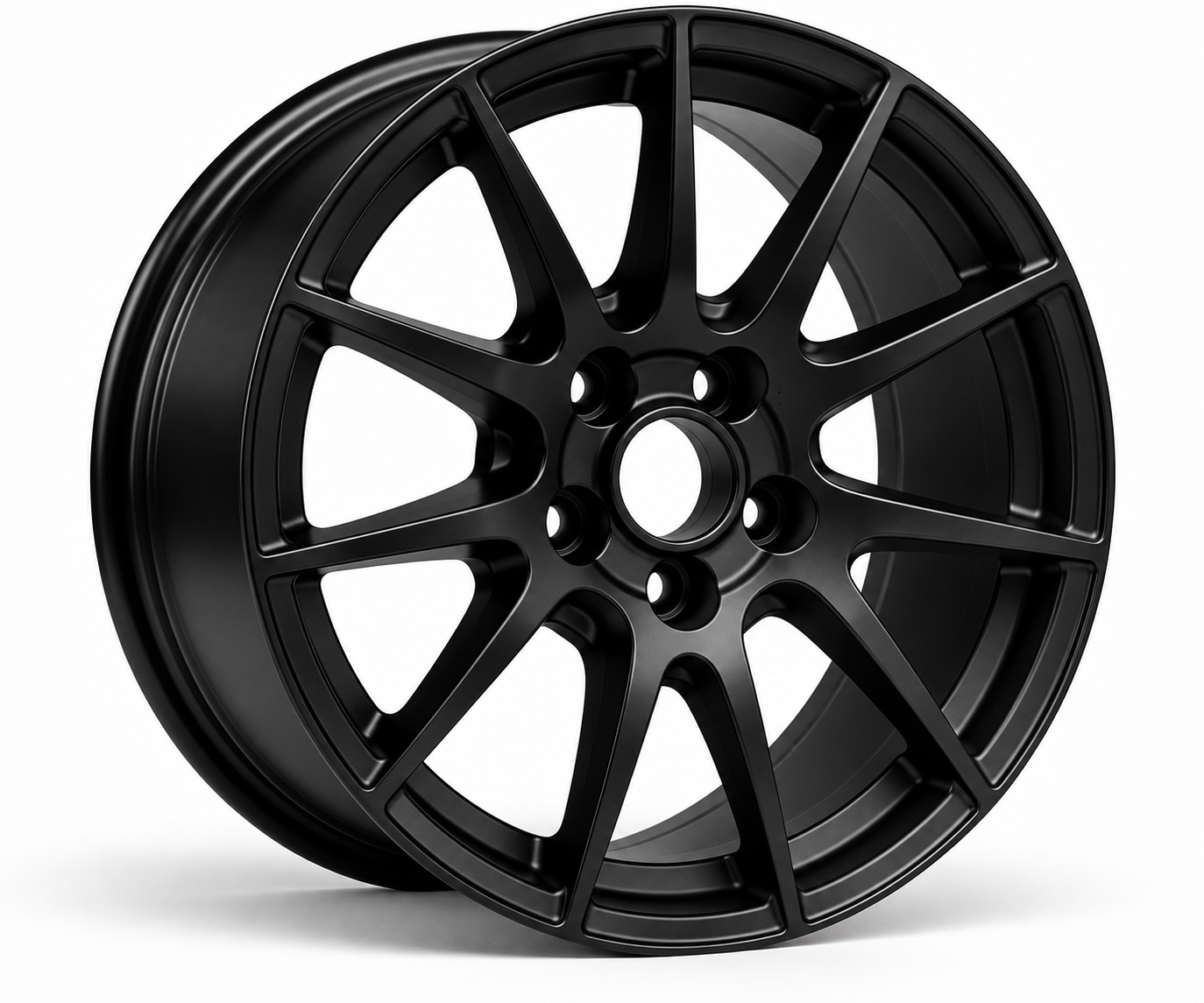

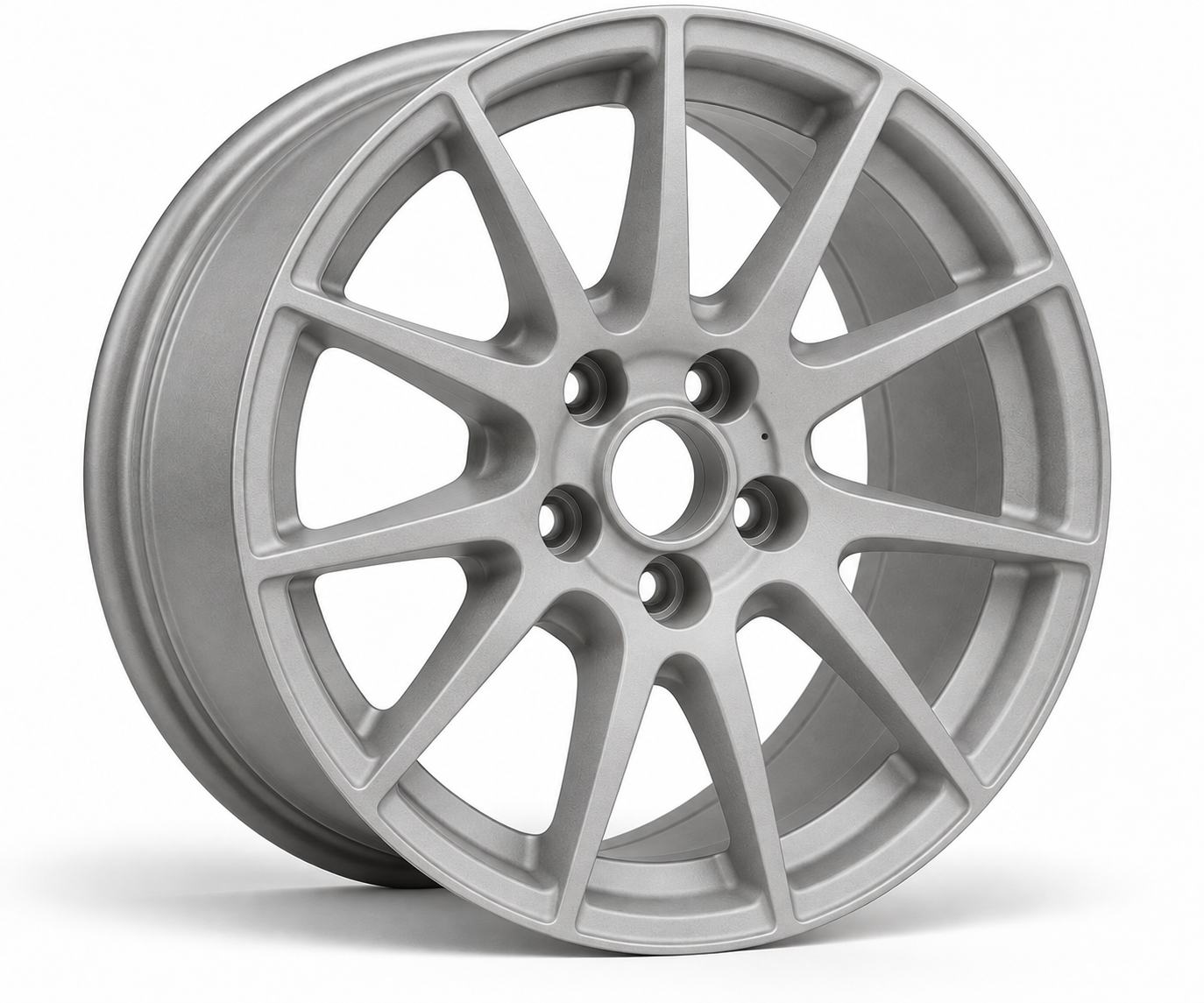
The main sandblasting treatments
Pickling
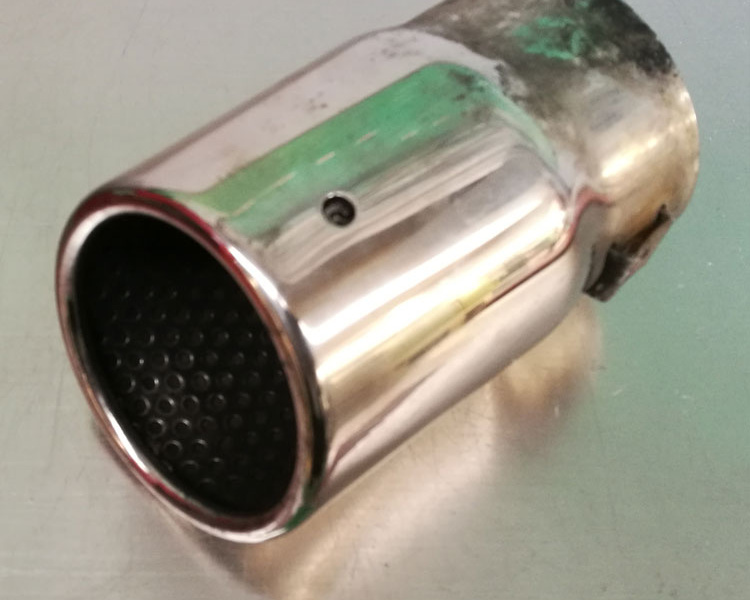
Before
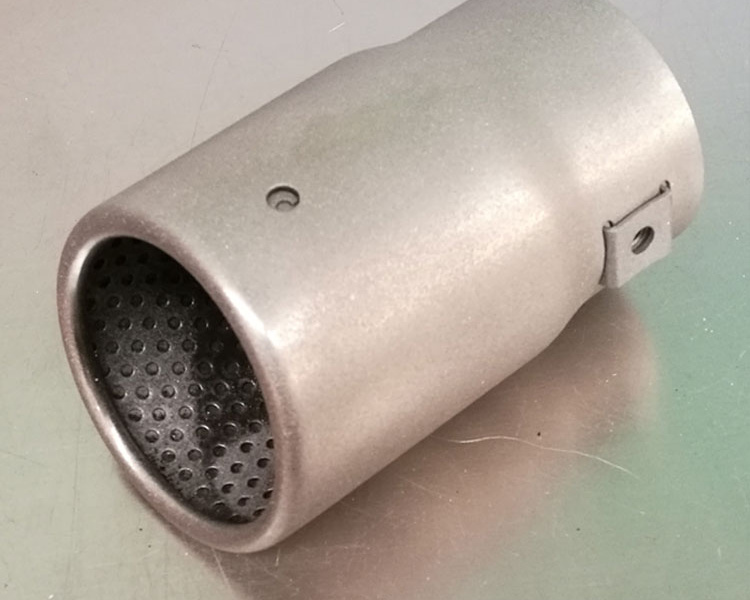
After
Roughness
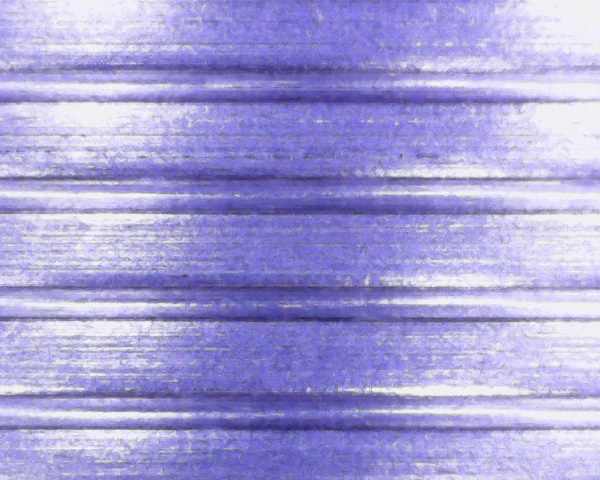
Before
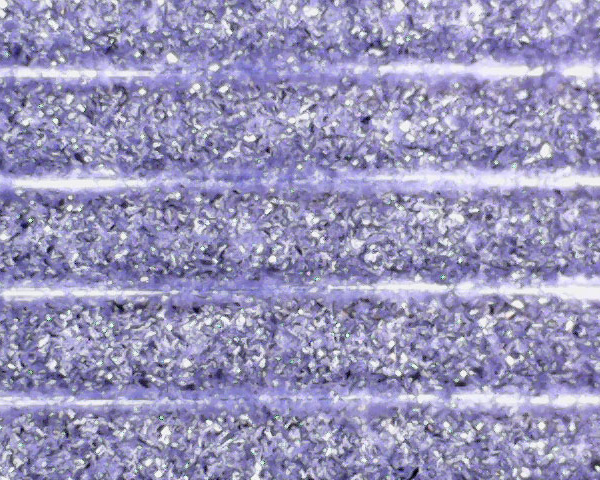
After
Anchoring
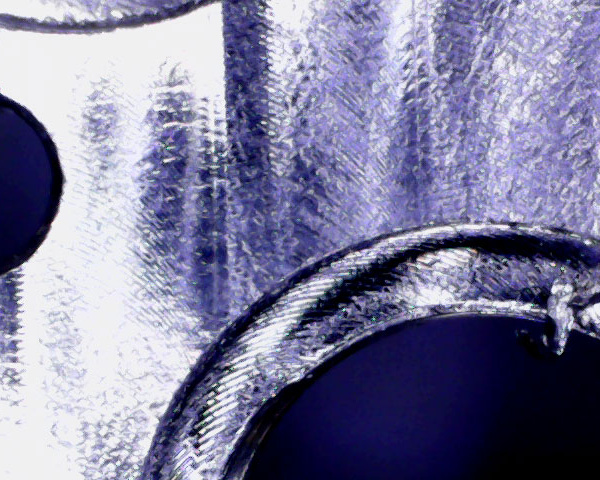
Before
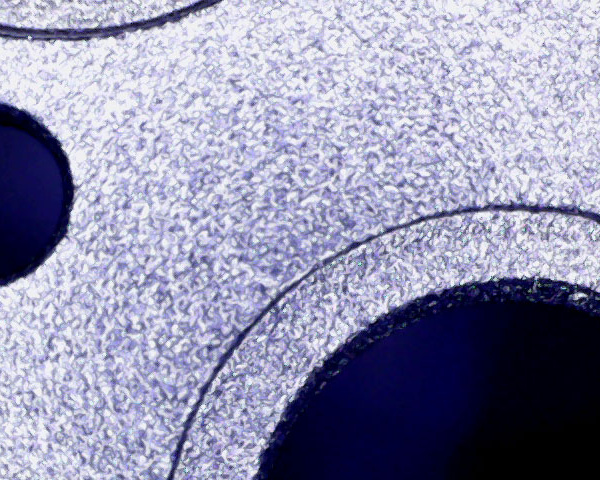
After
Removal
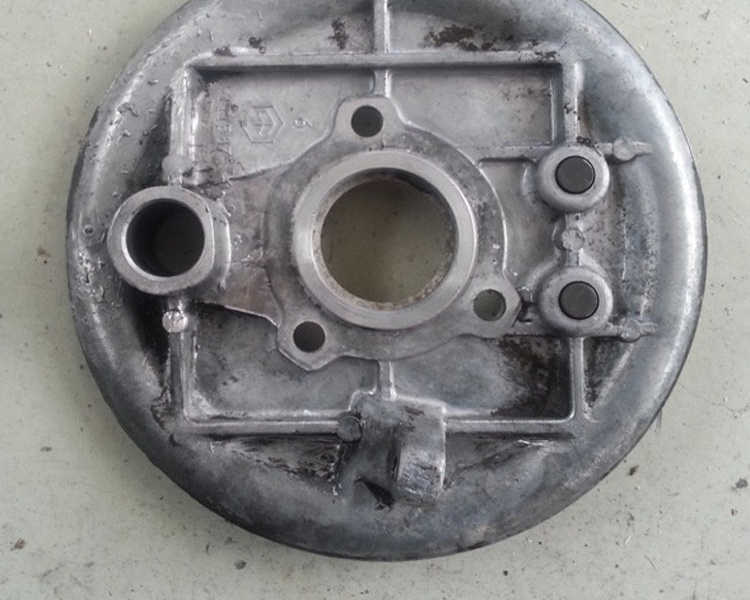
Before

After
Industrial sectors
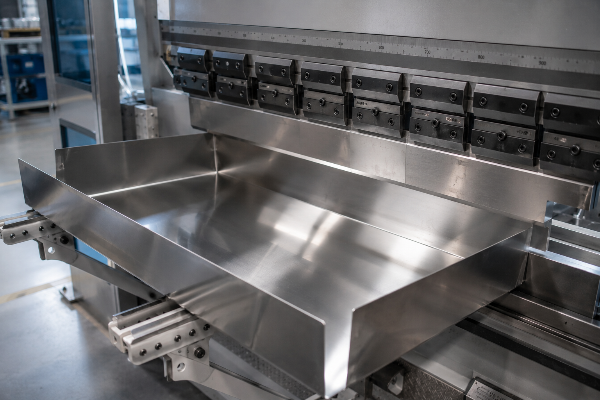
Food and pharmaceutical
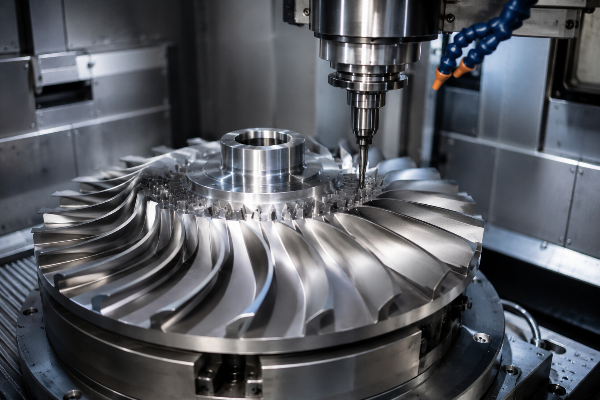
Automotive and Aerospace
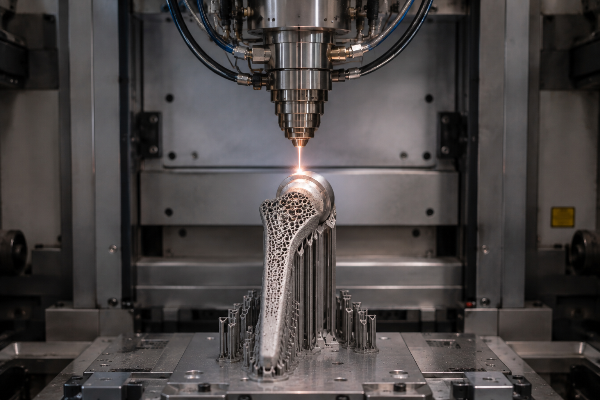
Biomedical
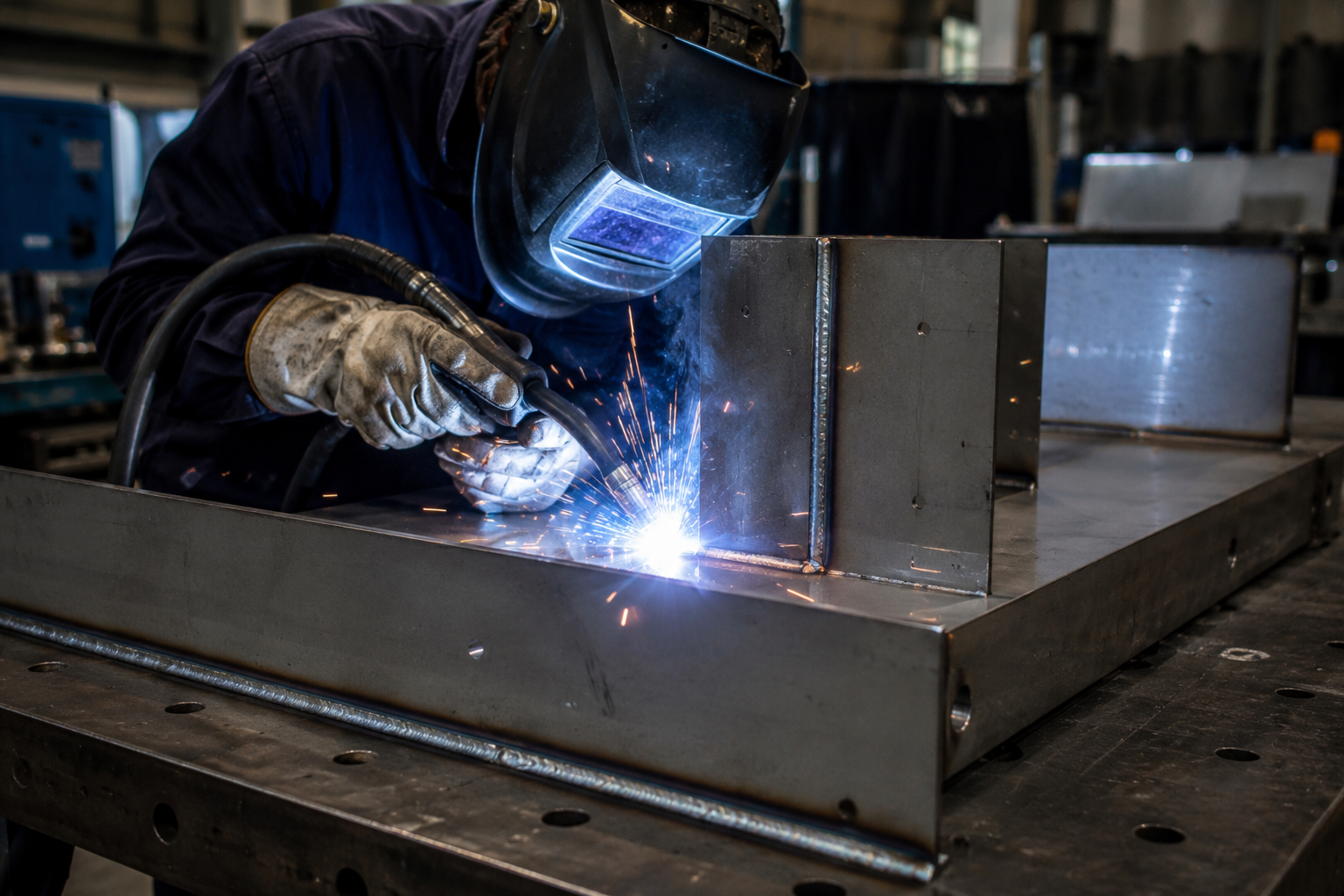
Carpentry and metals
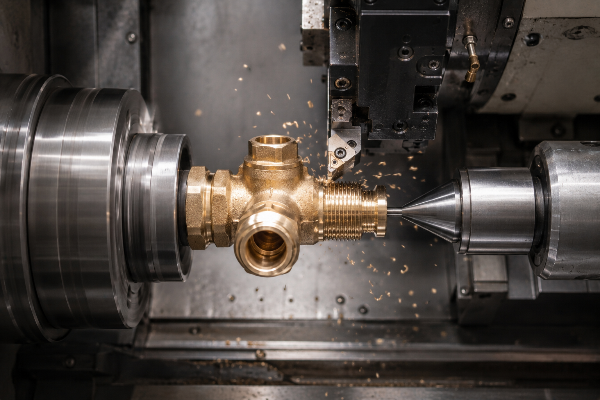
Design and architecture
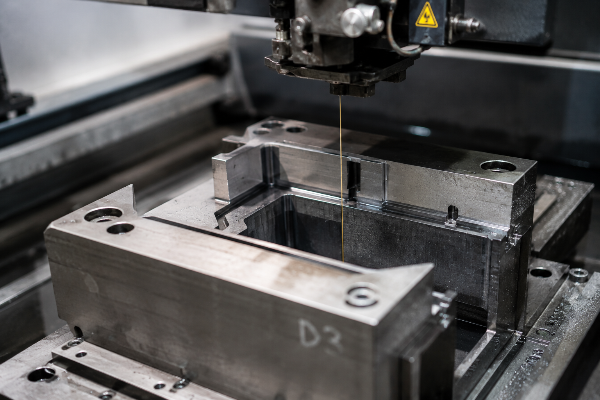
Mechanical processing
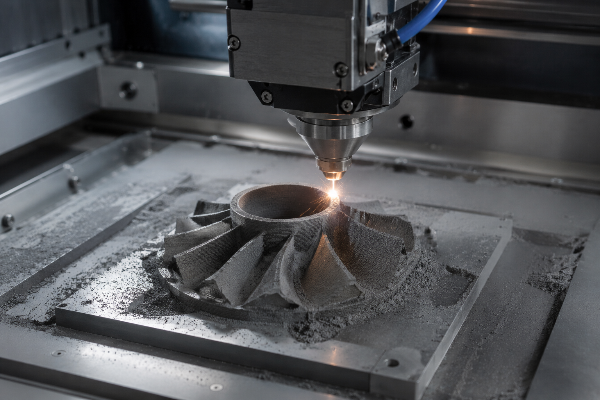
Prototyping and 3D printing
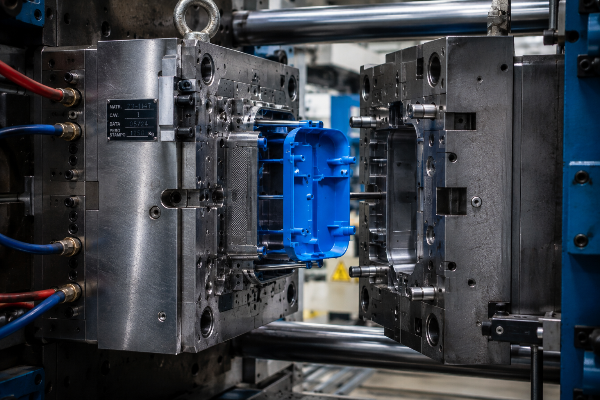
Molding and maintenance
What are the most commonly used products in sandblasting treatments?
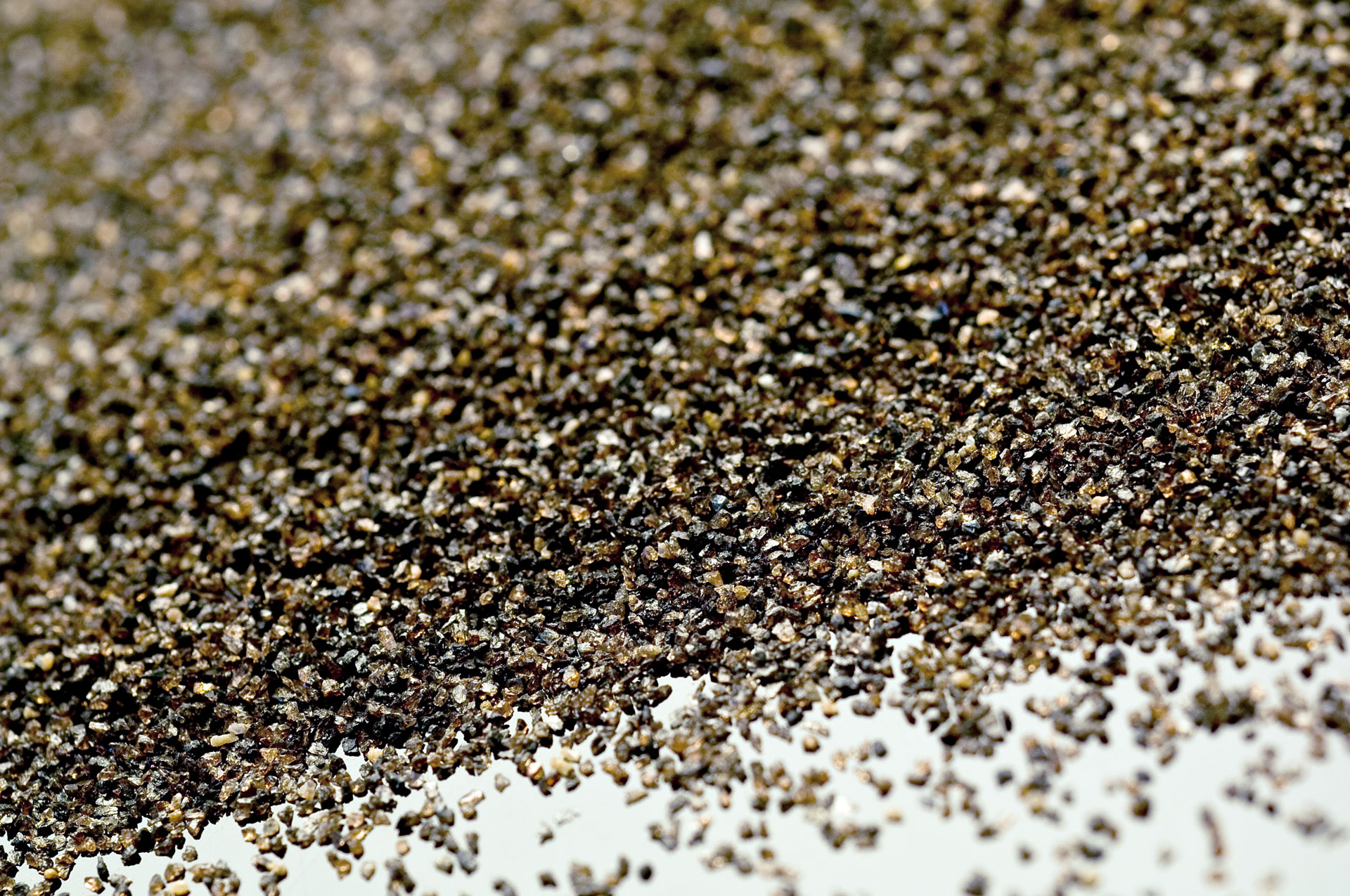
Red-brown corundum
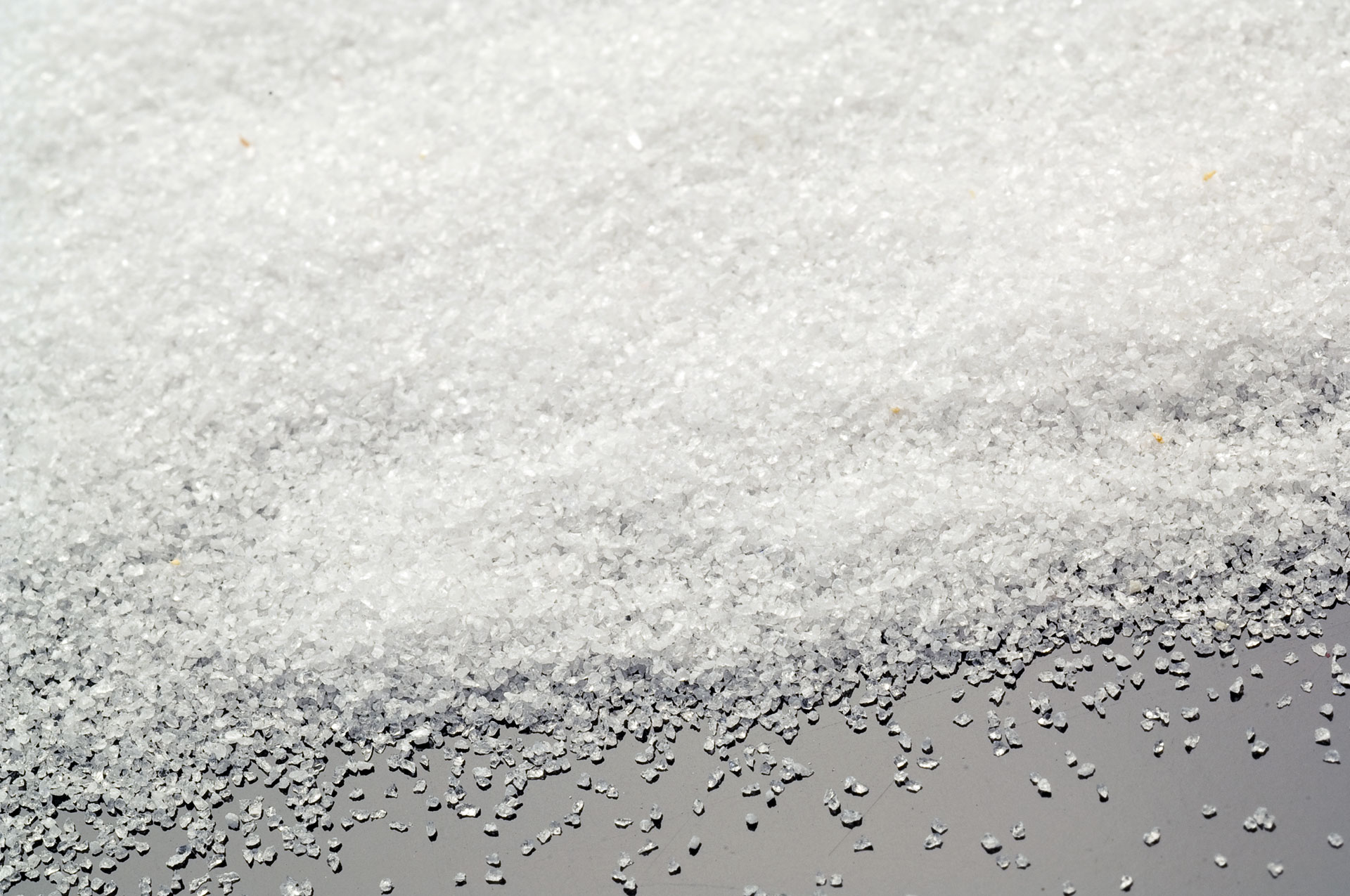
White corundum
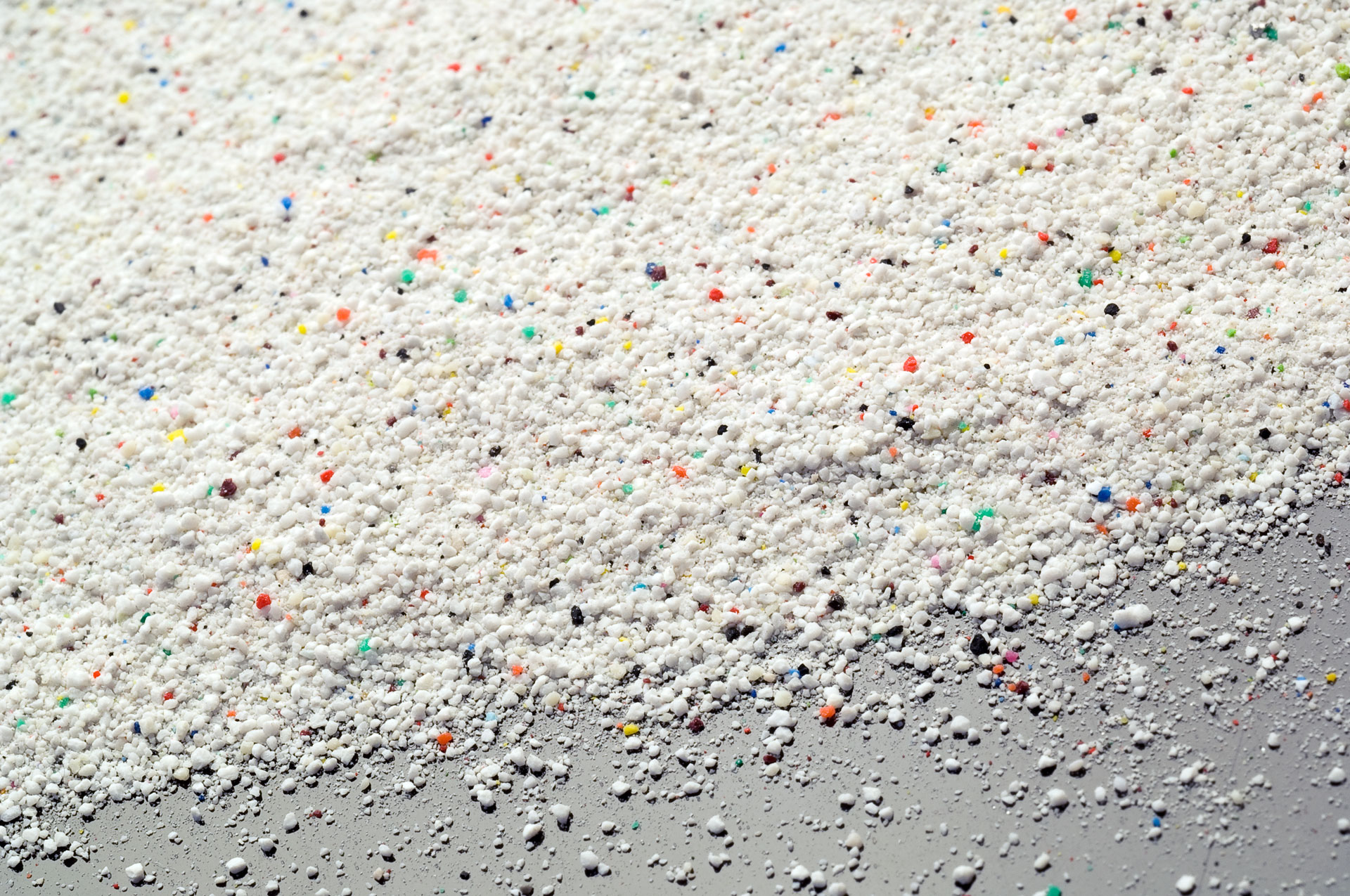
Plastic granules
Are you interested in learning about sandblasting treatments?