
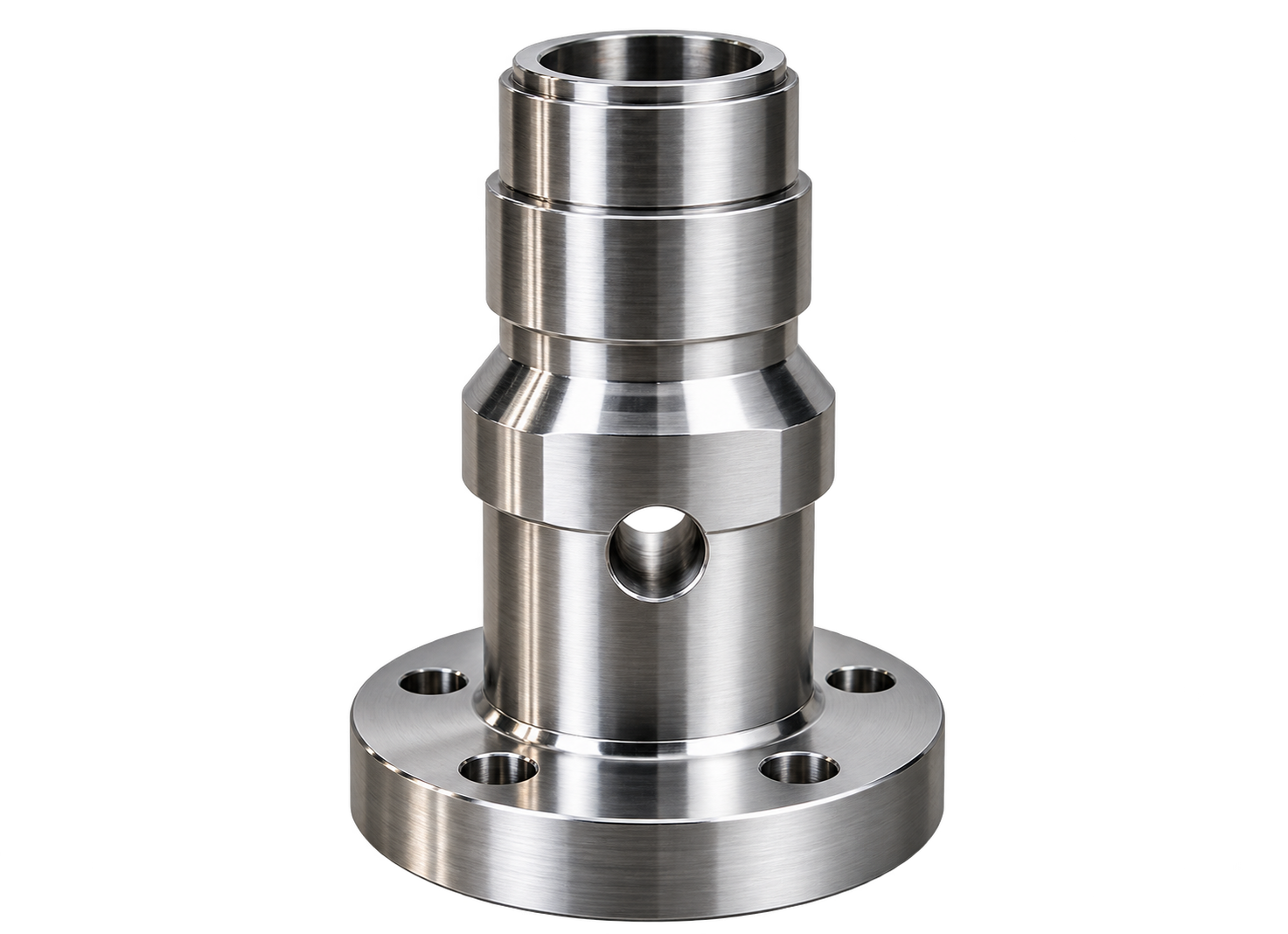
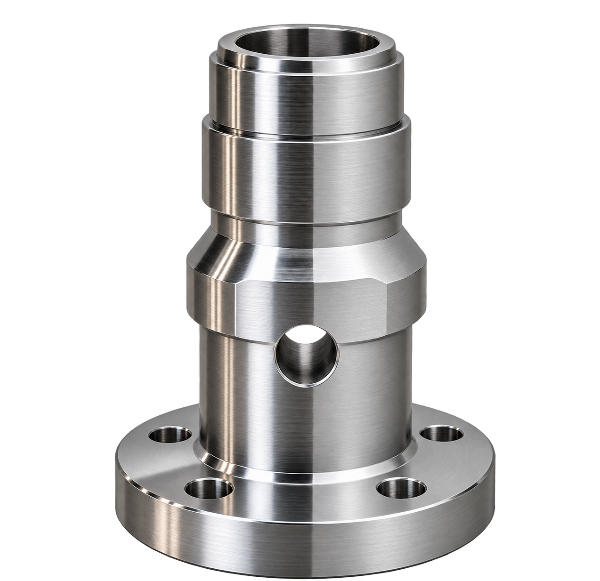
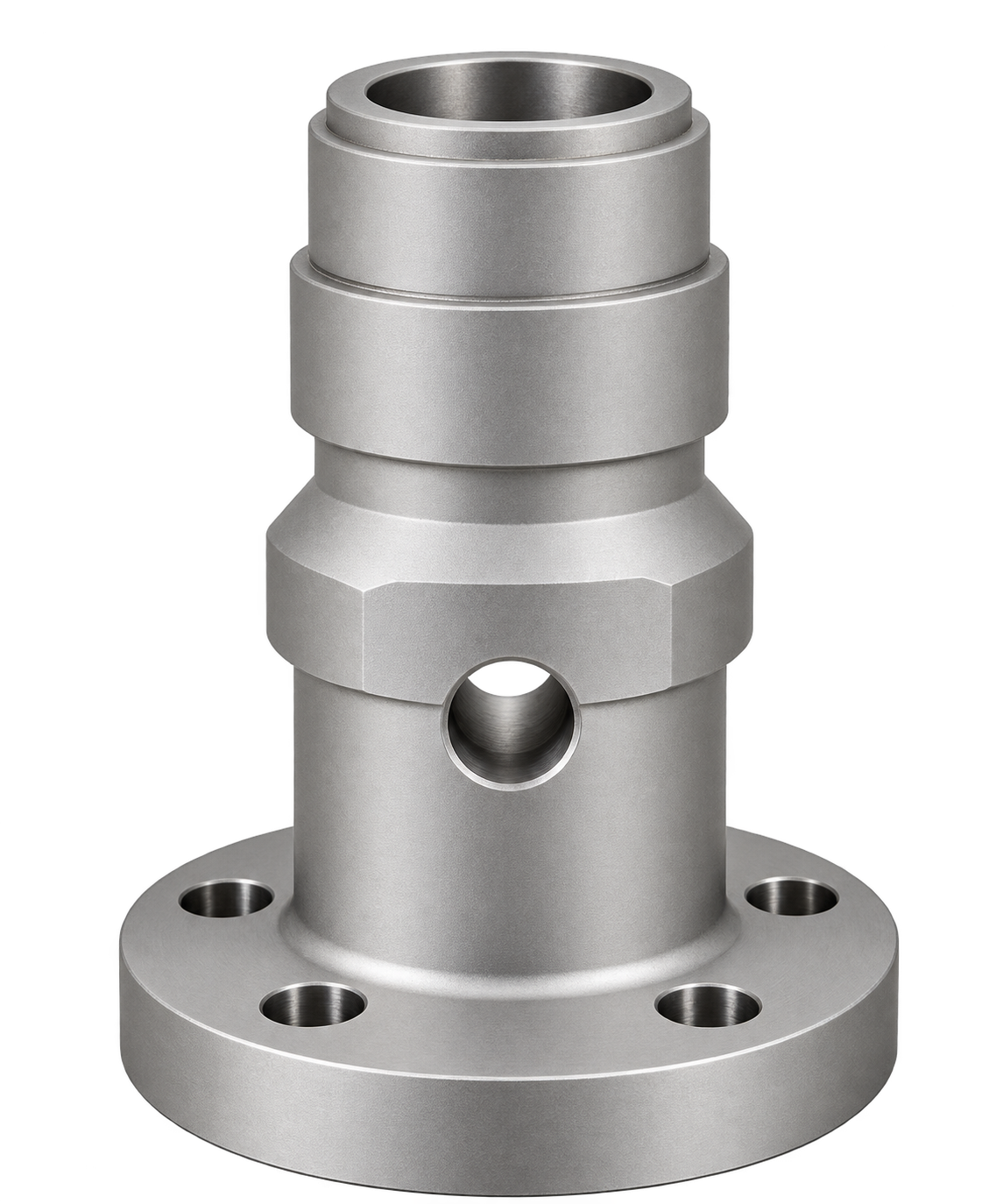
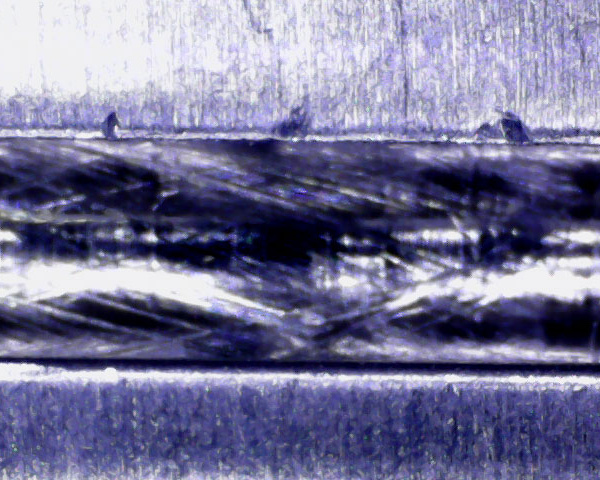
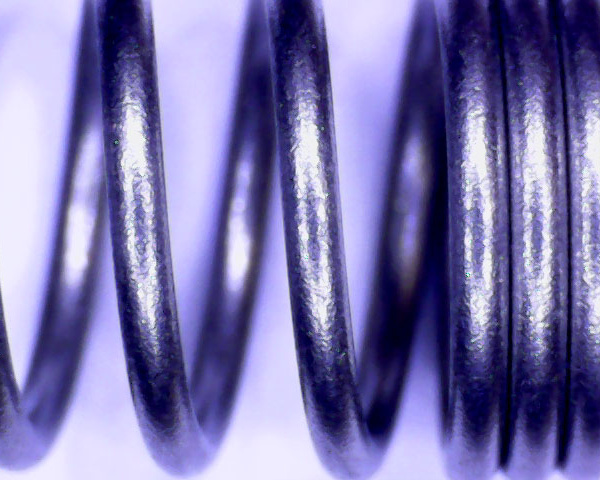
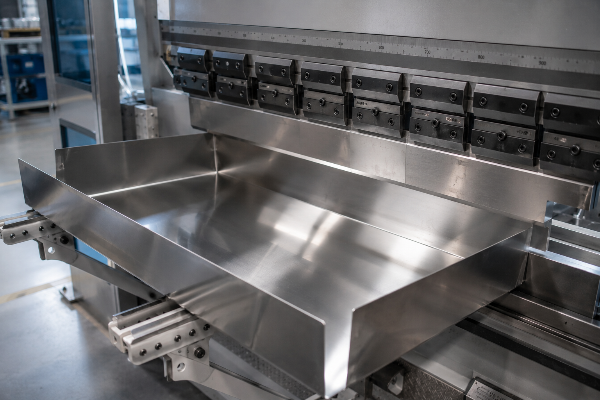
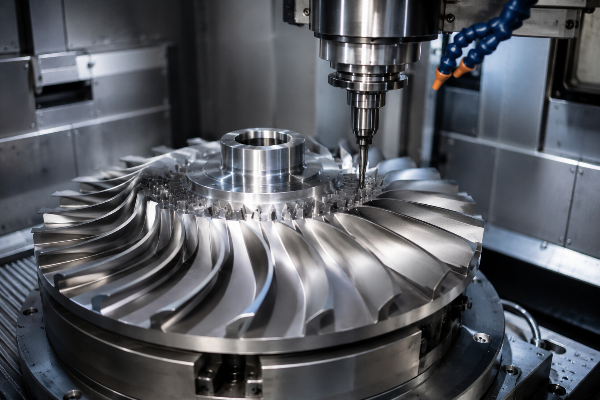
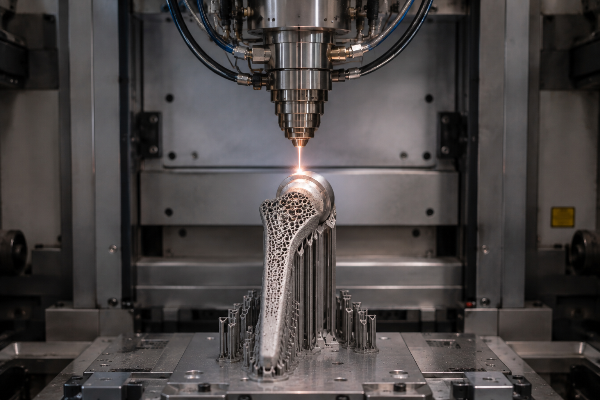
Shot blasting is a mechanical process consisting of cold surface hammering using a jet of compressed air mixed with spherical pellets (glass microspheres or ceramic microspheres). Shot blasting acts on the surface with a controlled mechanical action and is mainly used to eliminate microburrs, signs of mechanical processing and make the surfaces to be treated homogeneous. The final effect of shot blasting resembles a satin finish due to the reduction of reflected light caused by the generation of surface micro-cavities. Shot blasting is an effective and versatile surface treatment, used to achieve uniform and homogeneous finishes, improve the aesthetic appearance of components, and remove oxidation, contamination, and surface residues. Shot blasting with glass or ceramic microspheres allows for uniform, satin-finish, and homogeneous surfaces, enhancing the component's aesthetic appearance. Choosing the right type and grain size of microspheres allows for different surface effects to be achieved depending on the material and the desired finish. Unlike traditional sandblasting, which can leave a rough and uneven surface, shot blasting creates a uniform, high-quality satin finish. This "matte" or opaque effect is particularly sought after in the design and architecture sectors because it evens out the metal's color variations and masks small manufacturing defects (such as milling or turning marks). Because shot blasting (performed with glass or ceramic microspheres) has a very limited effect and alters the surface's micromorphology, it is the ideal treatment for precision parts. It allows complex components to be cleaned or finished without altering the critical dimensional dimensions established during the design phase. On stainless steel, shot blasting achieves a uniform and consistent aesthetic finish, eliminating welding residue, surface oxidation, and contamination. The treatment is also effective for removing microburrs, improving the final appearance of the component. Shot blasting can be used to remove small burrs and processing residues, helping to even out the component's surface. The choice of media and grain size allows you to tailor the treatment to the material and the desired level of deburring. Obtain homogeneous and consistent surfaces over time. Eliminate microburrs and imperfections. Obtain uniform and aesthetic surface finishes. Lampugnani shot blasting machines are used in numerous industrial sectors, offering versatile solutions for cleaning, preparation, and surface finishing. Shot blasting in the food and pharmaceutical industries can be used to achieve uniform and consistent aesthetic finishes or to create varying levels of surface roughness. The choice between microspheres and abrasive products allows the appearance and finish of the surface to be tailored to the desired result. Shot blasting is used on engine components, turbine blades, drive shafts, and structural parts to clean and even out surfaces. The choice of media and grain size allows for different surface finishes, improving the component's homogeneity and final appearance. In the medical and biomedical sectors, shot blasting is used to finish orthopedic prostheses, dental implants, surgical instruments, and titanium or stainless steel components. The use of glass or ceramic microspheres allows for uniform, satin-finish surfaces, improving the final aesthetic quality. Sandblasting and shot blasting are used in carpentry to clean and refine metal surfaces, removing oxidation, scale, residue, and welding blackening. They also smooth surfaces and achieve a uniform, satin finish on steel, stainless steel, aluminum, and other metals. From door handles to luxury furniture components, to faucets and metal accessories, shot blasting allows for uniform and high-quality aesthetic finishes, enhancing the material with satin surfaces that are uniform to the eye and pleasant to the touch. Sandblasting and shot blasting are used after mechanical processes such as milling, turning, and EDM on molds and mechanical components. They remove burrs and processing residue, smoothing the surface and improving the final finish. Shot blasting is used in additive manufacturing on sintered components to remove residual dust and smooth the surface. This treatment smoothes out 3D printing irregularities, resulting in uniform surfaces for subsequent processing. Sandblasting and shot blasting are used to clean molds used in die-casting and plastic and rubber molding. They remove residues and deposits, keeping the molds clean, efficient, and easier to maintain over time. Glass microspheres are ideal for cleaning and finishing mechanical parts without altering their geometry, removing oxidations, residues and contamination and creating a uniform, satin and brilliant surface finish. Available grain sizes from 1 to 800 µm Ceramic microspheres are used primarily in the medical and food industries and are ideal for achieving consistent shot blasting finishes over time. They can be used with both Venturi and pressurized systems. Available grain sizes from 63 to 600 µm Spherical metal shot is normally used with pressurized blasting systems. Thanks to its hardness, it is extremely long-lasting and can guarantee effective and repeatable shot blasting operations. Available grain sizes from 120 to 3335 µm Fill out our request form to receive all the information you need./ shot blasting treatment /
Shot blasting: aesthetic finishing, cleanliness and uniformity of surfaces
What is shot blasting?
The advantages of shot blasting
Microspheres
Finishing
Tolerances
Cleaning
Deburring
The main shot blasting treatments
Surface
Before
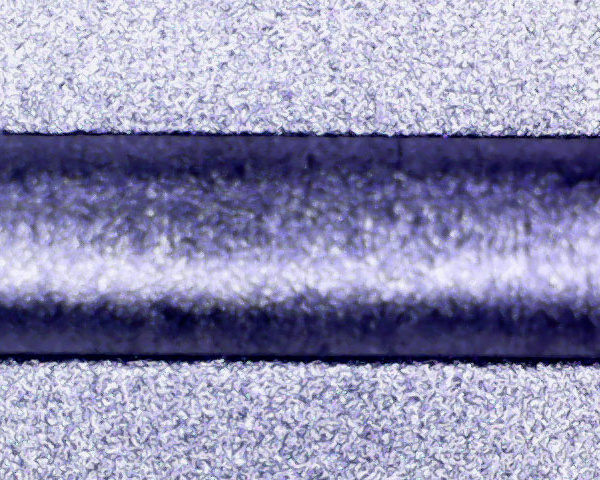
After
Deburring
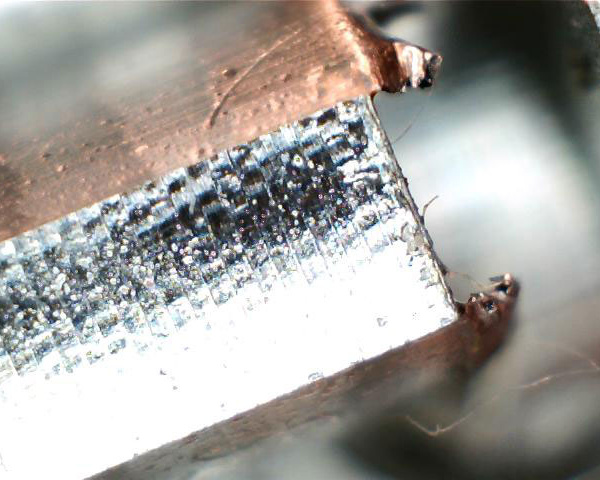
Before
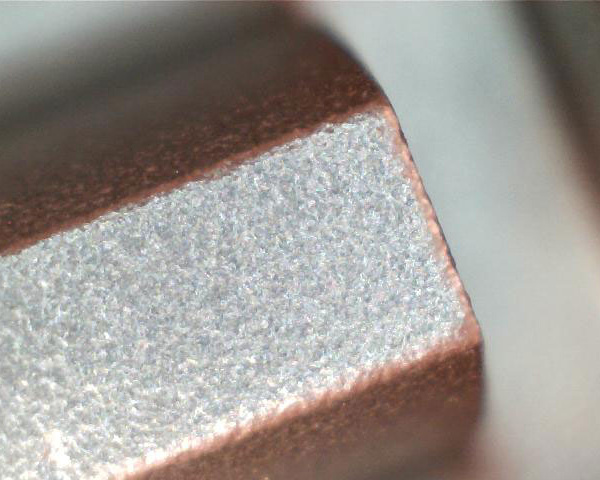
After
Aesthetics
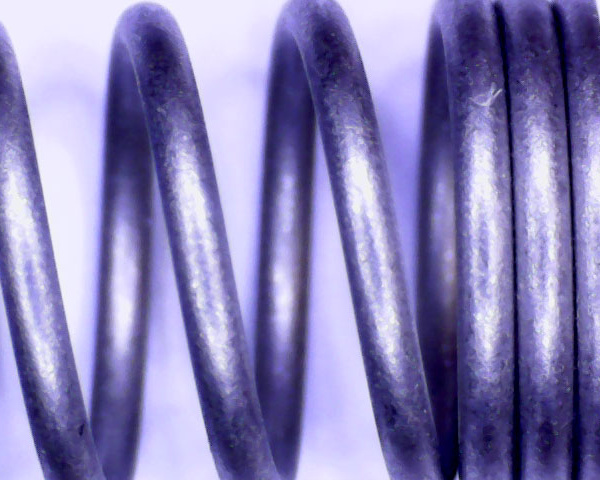
Before
After
Industrial sectors
Food and pharmaceutical
Automotive and aerospace
Biomedical
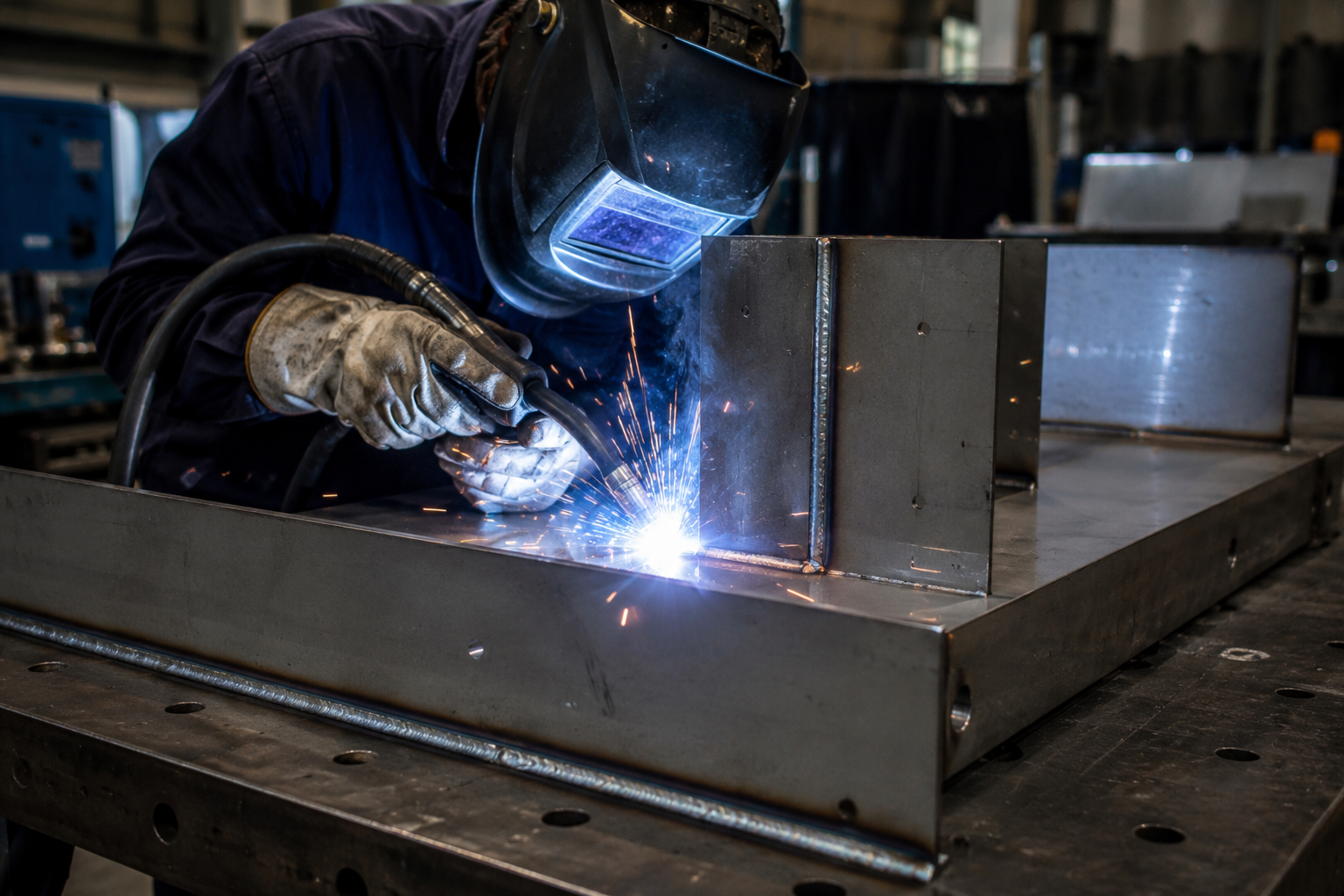
Carpentry and metals
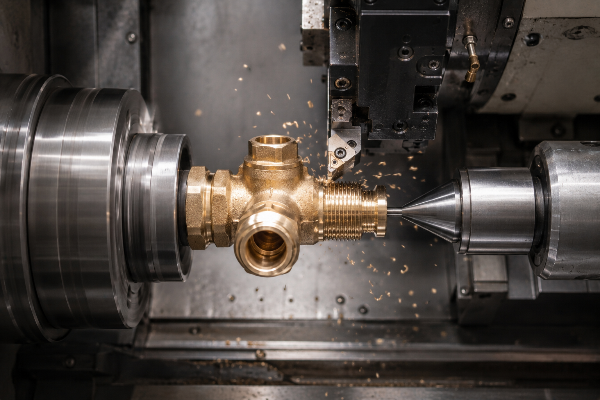
Design and architecture
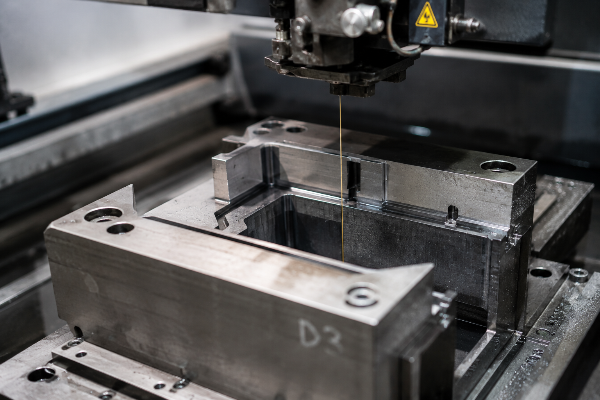
Mechanical processing
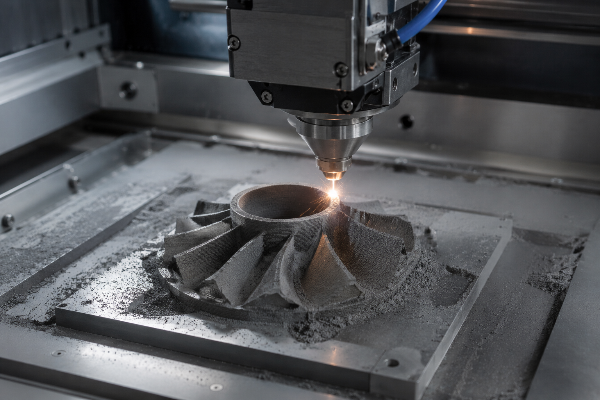
Prototyping and 3D printing
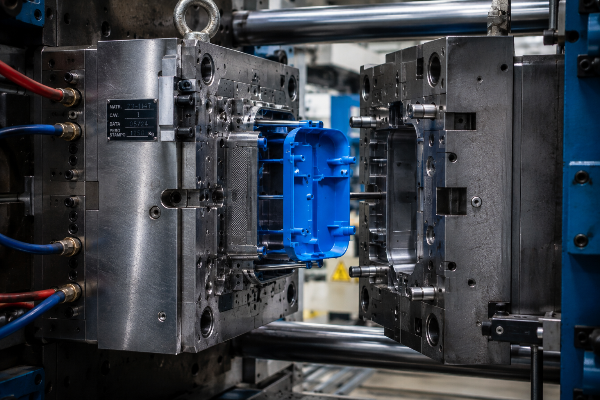
Molding
What are the most commonly used products in shot blasting treatments?
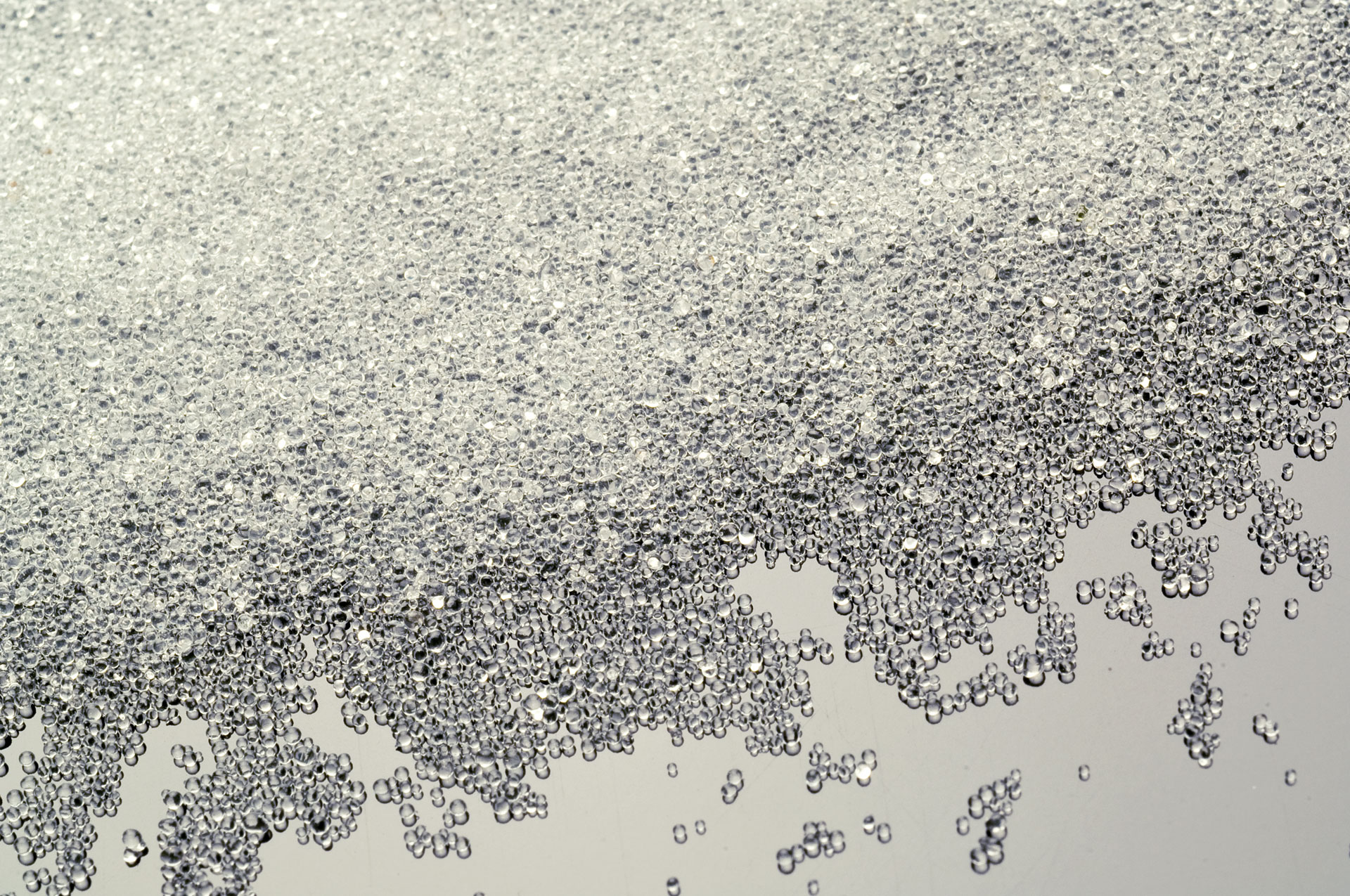
Glass beads

Ceramic beads
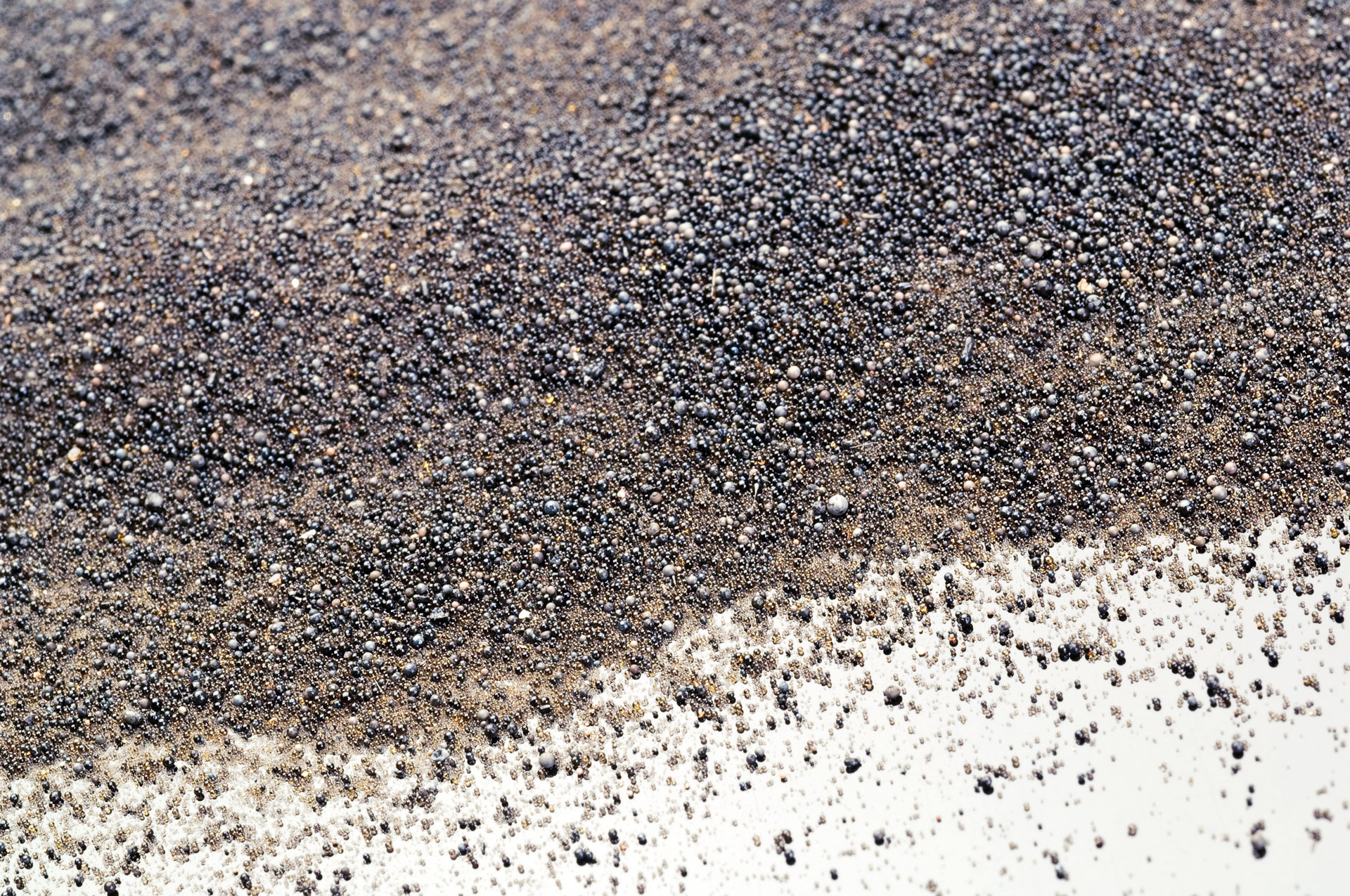
Spherical metal grit
Are you interested in learning about shot blasting treatments?