
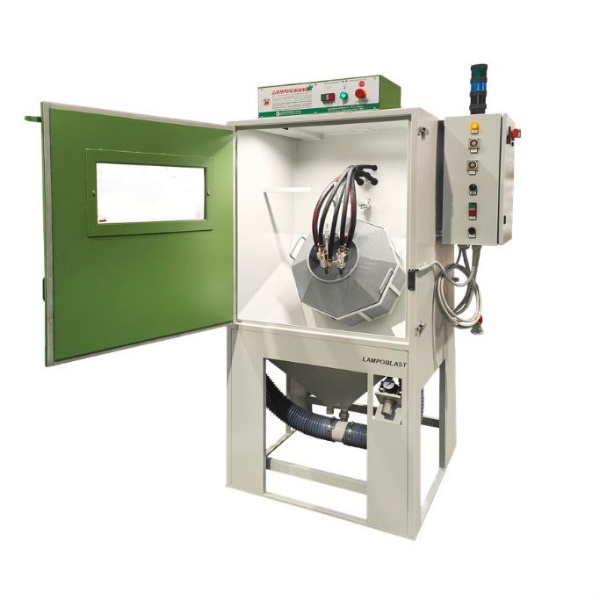
/ applications / The element chromium was discovered in 1797 by the chemist Louis-Nicolas Vauquelin. Sandblasting and shot blasting machines are used in the electroplating industry to prepare components before coating and, when required, for subsequent finishing operations. Sandblasting with angular abrasives such as aluminium oxide removes oxides, mill scale and surface residues and produces a defined roughness. The abrasive, grit size and working pressure must be selected according to the material and the surface characteristics required before electroplating. Blasting with glass or ceramic beads provides a less aggressive action and is mainly used to achieve a uniform surface and a consistent satin finish. It is used on components made of steel, stainless steel, aluminium, brass and other alloys. Processing can be carried out using manual Venturi or pressure sandblasting machines or, for small parts suitable for tumble processing, automatic rotary basket sandblasting and shot blasting machines. In the latter case, blasting time, blow-off time and basket rotation speed can be adjusted according to the component and the required cycle. Process selection therefore depends on the material, initial surface condition, abrasive, grit size, pressure and subsequent electroplating treatment. The same parameters should not be applied to different components and process cycles. In electroplating processes, surface preparation is essential to achieve a uniform coating and a high-quality finish. Industrial sandblasting machines remove oxides, residues and contaminants, preparing the component for subsequent processing. The models shown are some of the sandblasting machines recommended for electroplating. Different configurations are available depending on the components, material and subsequent treatment. To choose the most suitable solution, you can arrange a test in our LAMPO-LAB or send us your samples. We assess abrasives, parameters and finish on the actual component. Sandblasting machine with cyclone for manual processing, abrasive recovery and dust separation. LC/2 TR 350 CR sandblasting machine Sandblasting machine with cyclone, manual workstation and automatic basket for small parts. LC/550 and LC/551 CR sandblasting machines Automatic sandblasting machine with a large basket for production of small and medium components. Choosing a sandblasting machine for electroplating depends on production quantities, component dimensions and the required surface treatment. Available in different sizes, they are suitable for cleaning, preparation and finishing of metal components before or after electroplating. They can be configured with or without a cyclone depending on the abrasive used. Hybrid configurations allow small components to be processed automatically by tumbling in the basket and larger components to be processed manually, with adjustable processing parameters. Suitable for series production of small and medium metal components, they allow speed, pressure and processing times to be adjusted to achieve a uniform and repeatable finish.
Complete our enquiry form to receive all the information you need.Sandblasting and shot blasting machines for electroplating

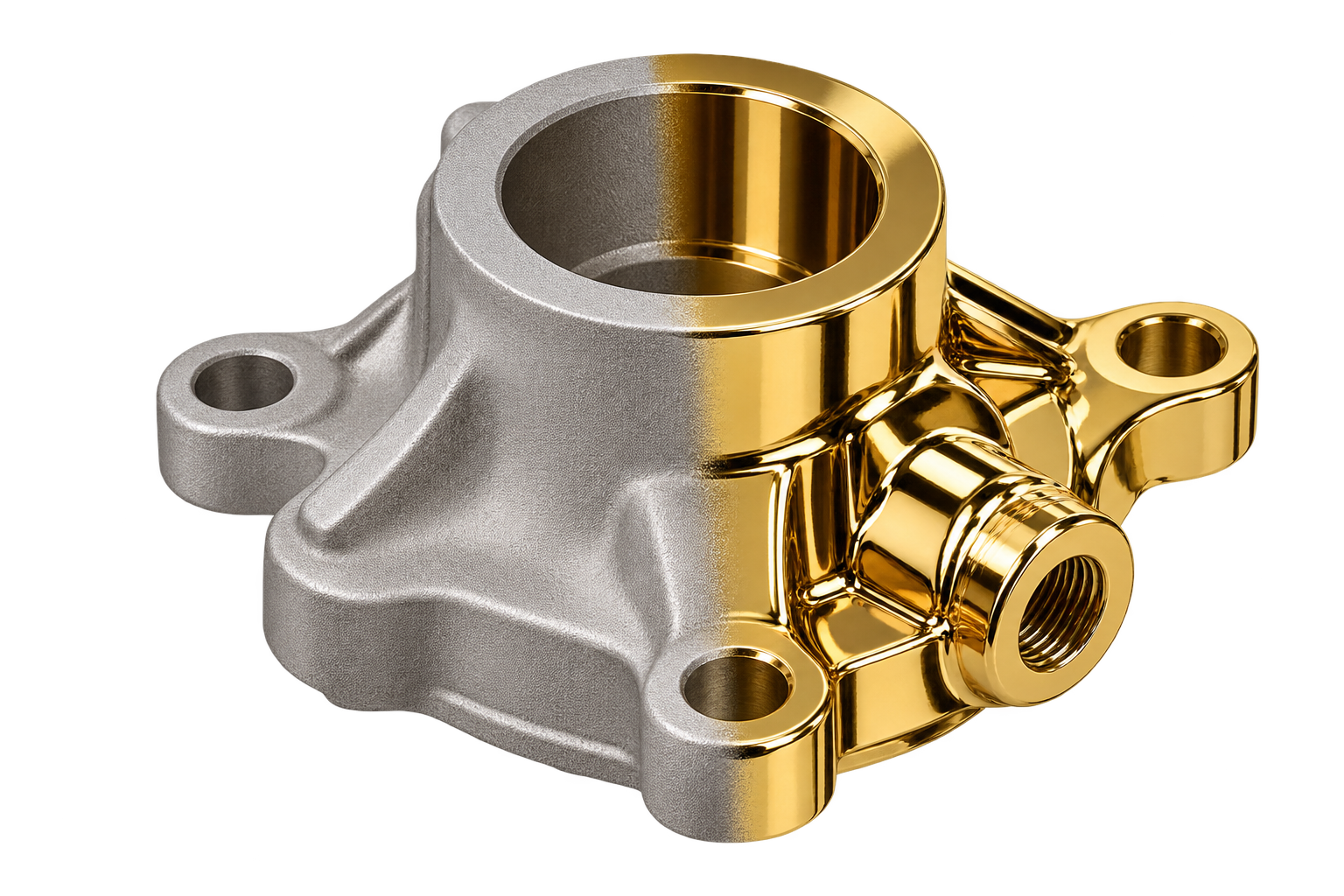
Why use sandblasting and shot blasting machines in electroplating?
Recommended sandblasting machines
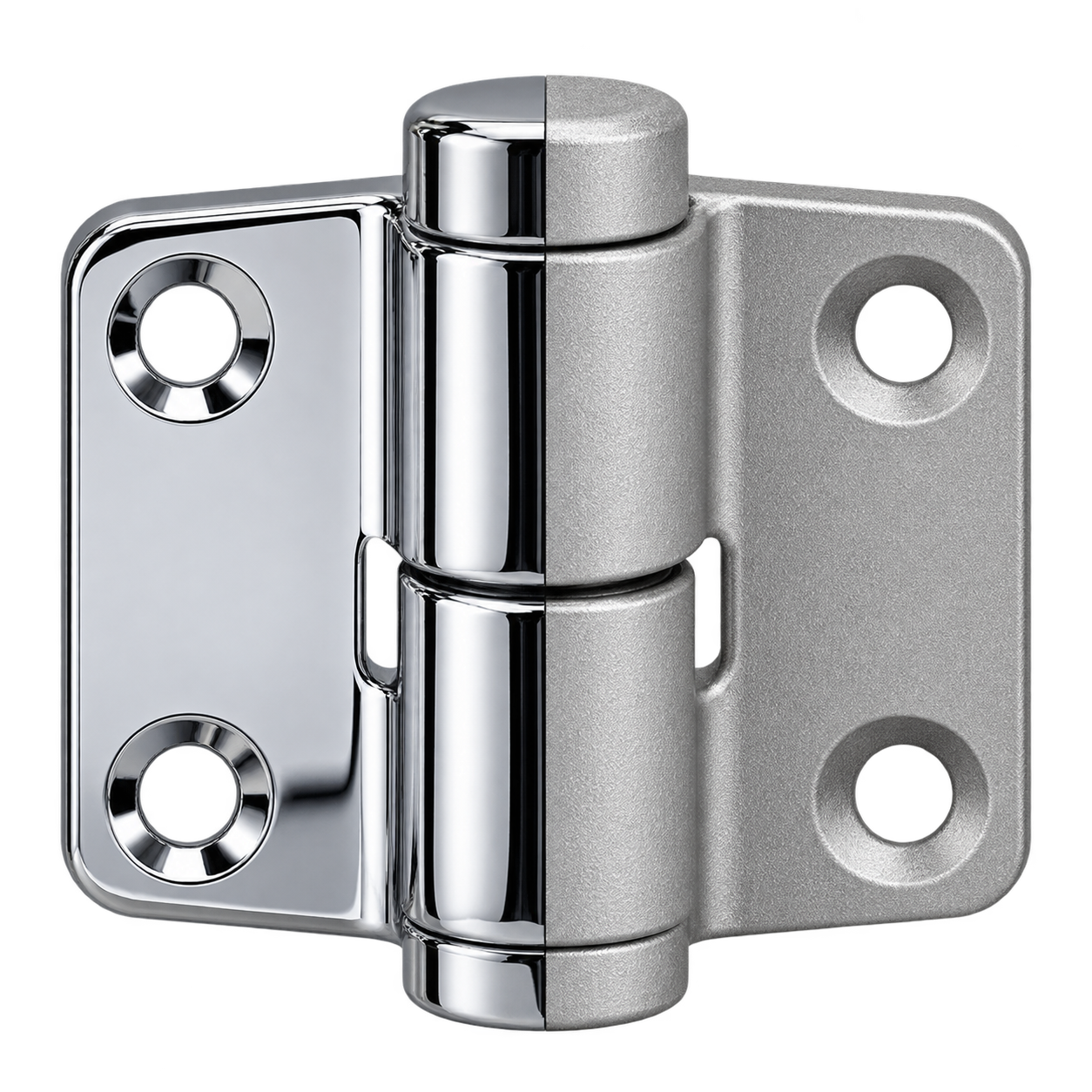
Manual sandblasting machine with cyclone
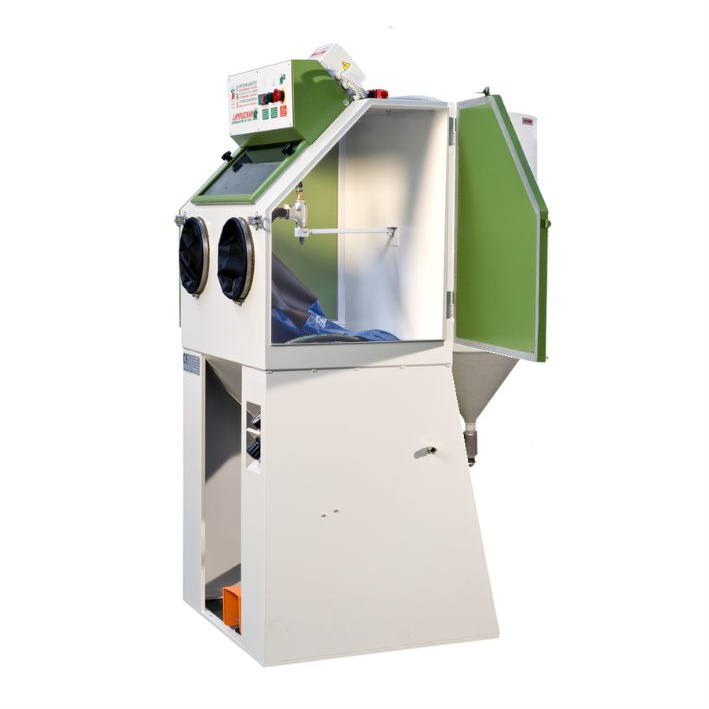
Manual and automatic sandblasting machine
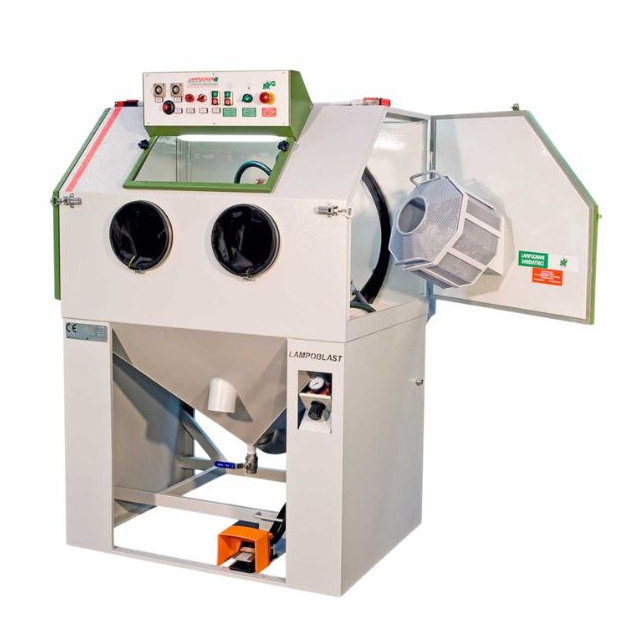
Automatic rotary basket sandblasting machine
How to choose a sandblasting machine
Manual sandblasting machines
Manual and automatic sandblasting machines
Automatic rotary basket sandblasting machines
Main applications
Looking for the right sandblasting and shot blasting machine for electroplating?